
Baseball is a game of precision, focus, and strong fundamentals, and the earlier young players begin mastering these skills, the more confident they’ll be on the field. But here’s the good news: you don’t always need a professional field or expensive equipment to practice. With the right guidance, kids can improve their swing, throwing accuracy, footwork, and even mental game right at home.
Practicing baseball drills at home offers three major benefits:
- Consistency – Daily repetition helps kids lock in muscle memory.
- Improved Technique – Controlled settings allow players to focus on form over speed.
- Stronger Fundamentals – These at-home skills directly transfer to real-game performance.
In this blog, we’ll cover the Top 7 Baseball Drills Every Young Player Should Master at Home, complete with parent tips, variations, and fun challenges to keep kids motivated.
Warm-Up & Preparation
Just like professional players, kids need to warm up their muscles before starting drills. Warming up reduces the risk of injuries and helps players perform better.
Dynamic Warm-Up Routine (5–7 Minutes):
- Arm Circles – 10 small and 10 large (forward and backward).
- High Knees – Run in place, driving knees up for 30 seconds.
- Lunges with Twists – Step forward into a lunge and rotate the torso.
- Butt Kicks – Jog in place, kicking heels toward glutes.
- Torso Twists – Rotate left and right to loosen the core.
👉 Parent Tip: Turn warm-ups into a fun mini-game. For example, challenge your child to “beat the timer” or keep count of perfect reps.
Drill 1 – Tee Hitting Practice
Setup:
A batting tee (or improvise with a cone or bucket), a bat, and a safe hitting area such as a net, tarp, or backyard fence with protection.
Focus:
- Hand-eye coordination – Keeping eyes locked on the ball.
- Swing mechanics – Practicing smooth and proper swing path.
- Consistency – Building repeatable motions through muscle memory.
Steps to Do It Right:
- Place the ball on the tee at waist height.
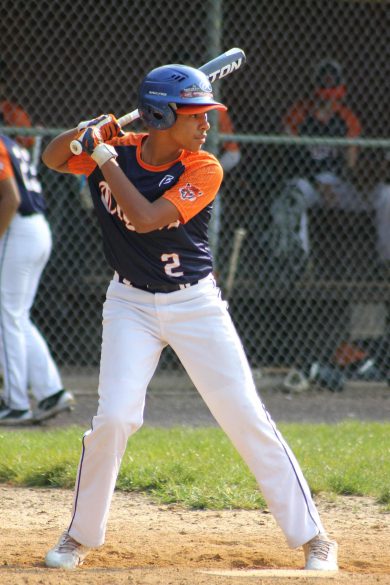
- Position feet shoulder-width apart, with knees slightly bent.
- Keep the bat close to the body and hands up near the back shoulder.
- Focus eyes on the ball, not the field.
- Take a small stride, rotate hips, and swing smoothly.
- Make contact in front of the body, then follow through fully.
- Repeat in sets of 10–15 swings, focusing on clean contact.
Common Mistakes:
- Dropping the back shoulder (leads to pop-ups).
- Swinging with just the arms instead of using hips and core.
- Stepping too far forward, which ruins balance.
Variations:
- Inside Pitch Drill – Move tee closer to body.
- Outside Pitch Drill – Move tee farther out.
- High/Low Zones – Adjust tee height to simulate strike zones.
- Target Challenge – Place cones or markers to aim shots.
👉 Parent Tip: Record a few swings and watch them back in slow motion. Kids often love “fixing” their own form after seeing it on video.
Drill 2 – Soft Toss or Self-Toss Batting
Setup:
One parent (or partner) underhand tosses baseballs or tennis balls from the side, or players toss the ball to themselves if practicing solo.
Focus:
- Timing – Learning when to swing.
- Balance – Staying steady while hitting a moving ball.
- Contact – Building confidence by hitting pitched balls.
How to Do It:
- Parent/partner kneels or stands to the side, about 8–10 feet away.
- Toss the ball softly underhand into the hitting zone.
- Player keeps eyes locked on the ball until contact.
- Swing with smooth motion, not just raw power.
- Repeat in short sets of 8–12 tosses.
Variations:
- Self-Toss: Player tosses the ball slightly up and swings.
- High/Low Toss: Vary ball height to improve adaptability.
- Reaction Toss: Toss slightly later to challenge timing.
Common Mistakes:
- Rushing the swing instead of waiting for the ball.
- Over-swinging and losing balance.
- Dropping the head too early.
👉 Parent Tip: Keep tosses consistent at first to build confidence. Once your child improves, increase difficulty gradually.
Drill 3 – Wall Ball Fielding
Setup:
A solid wall, a baseball glove, and a ball.
Focus:
- Reflexes – Quick reactions to rebounds.
- Ground Ball Skills – Staying low and fielding cleanly.
- Hand-Eye Coordination – Watching the ball all the way into the glove.
Steps:
- Stand 10–15 feet away from a wall.
- Throw the ball against the wall.
- Field the rebound, focusing on soft hands.
- Mix in different throws: hard, soft, rolling.
- Always stay low, with glove open and ready.
Variations:
- Short Hops: Throw low so the ball bounces before reaching glove.
- Backhand Fielding: Toss toward glove side and field backhand.
- Quick Hands Drill: Increase speed to test reflexes.
Common Mistakes:
- Standing too upright (slower reaction).
- Stabbing at the ball instead of letting it come in.
- Not moving feet to get in front of the ball.
👉 Parent Tip: Add a “challenge timer.” See how many clean catches your child can make in 60 seconds.
Drill 4 – Throwing Accuracy with a Target
Setup:
Tape a target (paper plate, taped square, chalk circle) on a wall, fence, or net.
Focus:
- Arm Mechanics – Developing correct throwing form.
- Accuracy – Hitting a consistent target.
- Strength – Building arm muscles through repetitions.
Steps:
- Mark a target on the wall at chest height.
- Player stands in proper throwing stance.
- Focus on step, rotate, throw.
- Track how many throws hit the target.
- Encourage proper follow-through after each throw.
Variation – Game Mode:
- Bullseye = 5 points
- Outer target = 3 points
- Near miss = 1 point
Common Mistakes:
- Throwing only with the arm (instead of stepping forward).
- Not finishing the throw with full follow-through.
- Aiming with just the wrist instead of the whole motion.
👉 Parent Tip: Keep score to make practice fun. Offer small rewards for hitting targets.
Drill 5 – Agility Ladder or Cone Drills
Setup:
An agility ladder, cones, chalk lines, or even shoes lined up in a row.
Focus:
- Footwork – Learning fast, precise steps.
- Speed – Increasing quickness for base running.
- Reaction Time – Faster movements for defense.
Drills to Try:
- In-and-Outs: Both feet in each ladder square.
- Side Steps: Move laterally through the ladder.
- Cone Zig-Zag: Sprint forward, shuffle sideways, backpedal.
- Hop Drill: Hop on one leg through each box.
- Reaction Drill: Parent calls left/right randomly as child runs.
Common Mistakes:
- Rushing and tripping on ladder.
- Taking steps too wide.
- Not pumping arms for rhythm.
👉 Parent Tip: Use a stopwatch for “personal bests.” Kids get excited when they beat their own times.
Drill 6 – Balance & Core Strength Workouts
Focus:
Building strong core and balance to support powerful swings, stable throws, and defensive quickness.
Exercises:
- Planks: Hold for 20–40 seconds.
- Single-Leg Balance: Balance while tossing/catching a ball.
- Medicine Ball Twists: Rotate side-to-side holding a ball.
- Wall Sit with Toss: Sit against a wall while tossing a ball.
- Balance Beam Walk: Walk on a line or low board for coordination.
Why It Matters:
A strong core = more batting power. Better balance = more consistent throws and quicker reactions.
Common Mistakes:
- Holding breath during planks.
- Using momentum instead of control in twists.
- Leaning too much while balancing.
👉 Parent Tip: Make it a competition “Who can hold a plank the longest?” or “Can you balance while clapping 10 times?”
Drill 7 – Visualization & Mental Reps
Setup:
No equipment required. Just focus and imagination.
Focus:
- Confidence – Preparing the mind for real games.
- Awareness – Anticipating situations before they happen.
- Calmness – Handling pressure better.
Examples of Mental Reps:
- Visualizing the perfect swing from stance to follow-through.
- Imagining running the bases with correct speed and turns.
- Mentally rehearsing fielding a tough ground ball.
- Picturing making the game-winning throw to first base.
Common Mistakes:
- Daydreaming instead of focusing.
- Visualizing outcomes instead of mechanics.
👉 Parent Tip: Ask your child to close their eyes and “announce the play” as if they’re the commentator. It keeps focus sharp while making it fun.
Bonus Tips for Parents & Young Players
- Keep Practices Short & Engaging:
Kids’ attention spans are short 10–15 minutes per drill is plenty. - Mix in Fun Variations:
Rotate drills to keep practice exciting. A little variety prevents boredom. - Celebrate Small Wins:
High-fives, cheers, or stickers go a long way. Confidence is built through encouragement, not criticism. - Focus on Consistency, Not Perfection:
It’s okay if they miss. Encourage effort over results. - Make It a Family Activity:
Join in! When parents play along, kids stay motivated and enjoy practice more.
Quick Reference Table
| Drill No. | Drill Name | Equipment Needed | Skill Focus | Fun Variation |
|---|---|---|---|---|
| 1 | Tee Hitting 🎯 | Batting tee, net | Swing mechanics, coordination | Inside/outside pitches |
| 2 | Soft Toss | Partner/balls | Timing, balance | Self-toss |
| 3 | Wall Ball 🧤 | Glove, wall | Reflexes, fielding | Short hops, backhands |
| 4 | Throwing Accuracy 🎯 | Wall/net target | Accuracy, arm strength | Keep score |
| 5 | Agility Ladder 🏃 | Ladder/cones | Speed, footwork | Timed races |
| 6 | Balance & Core | Mat/ball | Stability, power | Single-leg tosses |
| 7 | Visualization 🧠 | None | Confidence, awareness | Game scenarios |
Conclusion
Mastering these 7 at-home baseball drills gives young players the foundation to grow into confident athletes. Whether it’s improving swing mechanics with a tee, sharpening reflexes with wall ball, or visualizing game situations, each drill builds skills that directly transfer to real games.
Parents, your involvement makes all the difference. Keep it fun, stay consistent, and watch your child’s love for the game flourish.
👉 For more training resources and expert guides, visit Technique Tigers your trusted partner in youth baseball development.
FAQs
1. How often should kids practice baseball at home?
Ideally, 3–4 times per week for 30–45 minutes. Shorter but frequent practice beats long sessions.
2. What equipment is essential for home drills?
A glove, ball, batting tee, and cones/markers are enough to start.
3. Can beginners with no team experience benefit from these drills?
Absolutely! These drills teach the fundamentals needed before joining a team.
4. How long should each drill last?
10–15 minutes per drill is perfect for young players’ attention spans.
5. What’s the best age to start baseball drills?
Kids as young as 5–6 can start light, fun drills focusing on coordination.
0 Comments