

welcome to Technique Tigers Baseball Academy
Fairfield County’s #1 Premier Baseball Development Program
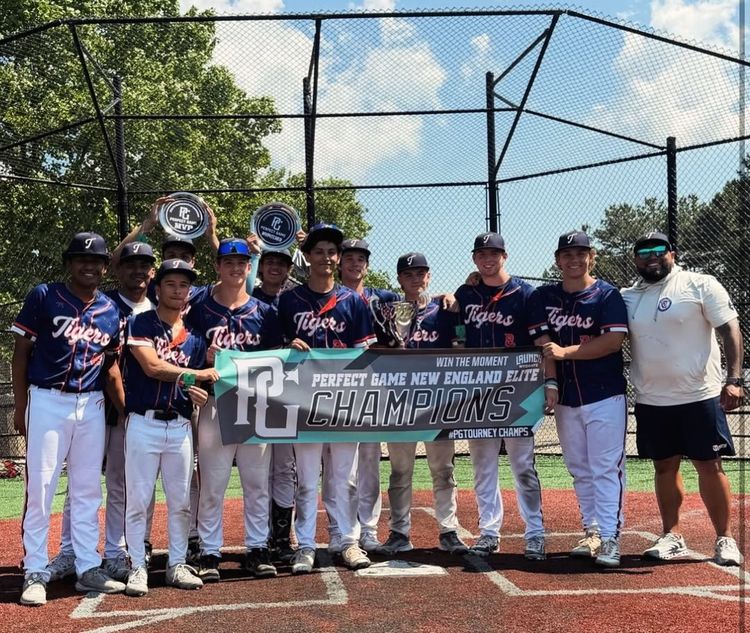
Serving Athletes & Families Throughout Fairfield County
Technique Tigers Baseball Academy is a year-round baseball and softball training academy located in Trumbull, Connecticut, serving athletes and families throughout Fairfield County. For over 21 years, TTBA has helped players develop the skills, confidence, discipline, and baseball IQ needed to compete at the next level.
Whether your athlete is just beginning their baseball journey or preparing for high school, college recruiting, or advanced travel baseball, our professional staff provides structured instruction, consistent repetition, and a proven development environment built around long-term growth.
Excellence Without Excuses
At TTBA, player development is not random. Every practice, lesson, clinic, and team workout is built with purpose, structure, and professional instruction. Our athletes train in an environment that emphasizes fundamentals, accountability, effort, and measurable improvement over time.
We believe the best players are developed through consistent work. That is why our programs are designed to help athletes improve their hitting, pitching, fielding, throwing, catching, strength, speed, confidence, and overall understanding of the game.
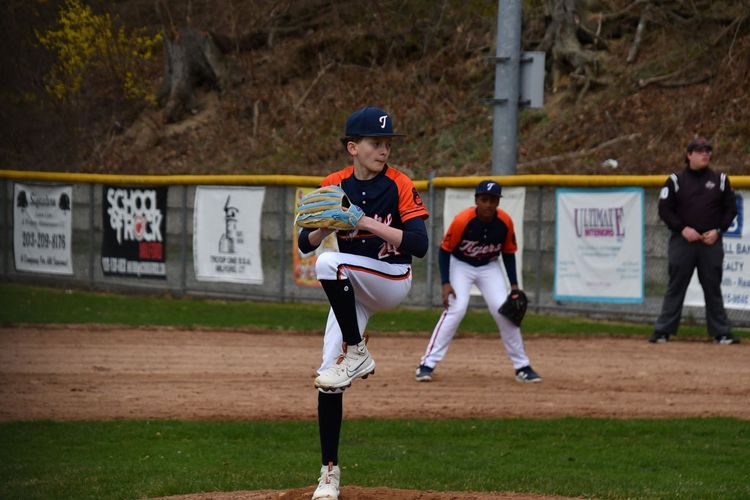
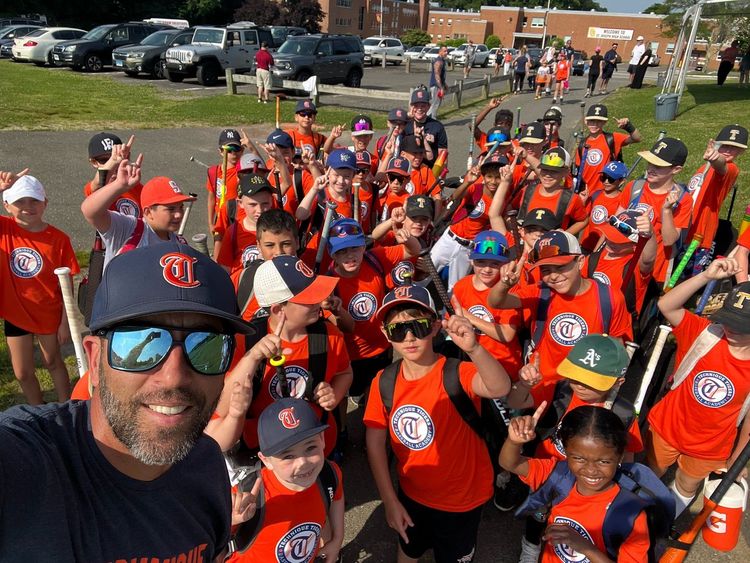
What Makes Us Different?
Tenure. Tradition. Continuity.
Technique Tigers Baseball Academy is one of the longest-running baseball academies in Fairfield County, Connecticut. For over 21 years, our program has built a trusted reputation by developing players, teams, and leaders through the game of baseball.
Our professional coaching staff brings more than 200 years of combined playing and coaching experience. That experience allows us to provide athletes with a complete baseball development program focused on fundamentals, skill progression, baseball IQ, confidence, discipline, and preparation for the next level.
At TTBA, we do not believe in shortcuts. Developing real baseball skills requires commitment, structure, repetition, and consistency over time. Our athletes are expected to train 3-4 times weekly, stay committed to the process, and take pride in their development.
Every TTBA practice is driven by professional instruction, organized repetitions, and a clear development plan. Our goal is to help every athlete become a stronger baseball player, a better teammate, and a more responsible student-athlete.
Baseball and Softball Training Programs
Technique Tigers Baseball Academy offers complete year-round baseball and softball development programs for youth, middle school, and high school athletes. Our programs include private lessons, hitting instruction, pitching instruction, catching development, fielding work, winter conditioning, hitting clinics, team training, summer camps, and seasonal travel baseball opportunities. Our programs are built for athletes who want more than casual training. TTBA is designed for players and families who value structure, commitment, consistency, and professional coaching.
Proven Player Development
For over 21 years, TTBA has helped athletes develop the skills and habits needed to compete at higher levels of baseball. Our training model focuses on long-term player growth, not quick fixes.
We help athletes improve through:
- Professional baseball and softball instruction
- Structured practice plans
- Consistent repetitions
- Hitting, pitching, catching, and defensive development
- Strength, speed, and movement training
- Baseball IQ and situational awareness
- Confidence, discipline, and leadership
Our goal is simple: help every athlete leave TTBA better prepared, more confident, and more committed to the game.
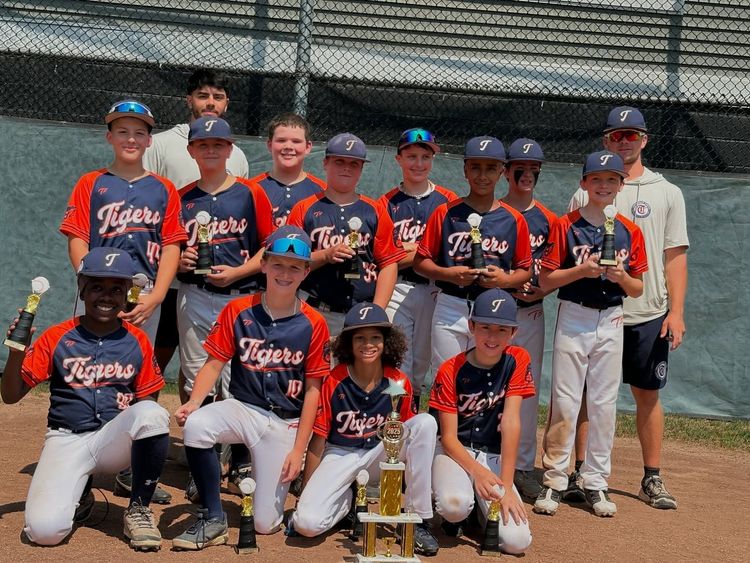
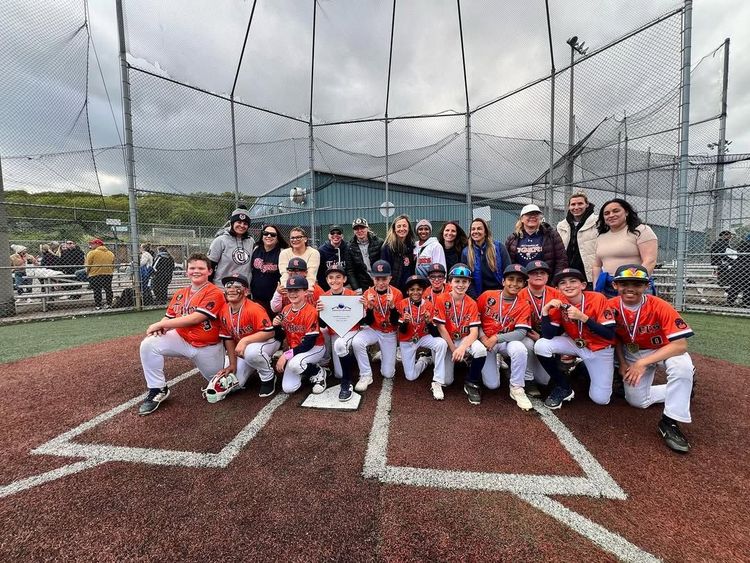
What Families Are Saying
Families choose TTBA because they see the difference in the way we train, communicate, and develop athletes. Our program focuses on more than
just playing games. We teach players how to work, how to prepare, how to compete, and how to carry themselves on and off the field.
Parents trust Technique Tigers Baseball Academy because our staff is committed to professional instruction, personal attention, and long-term development. We take pride in helping athletes grow as players, teammates, students, and young leaders.
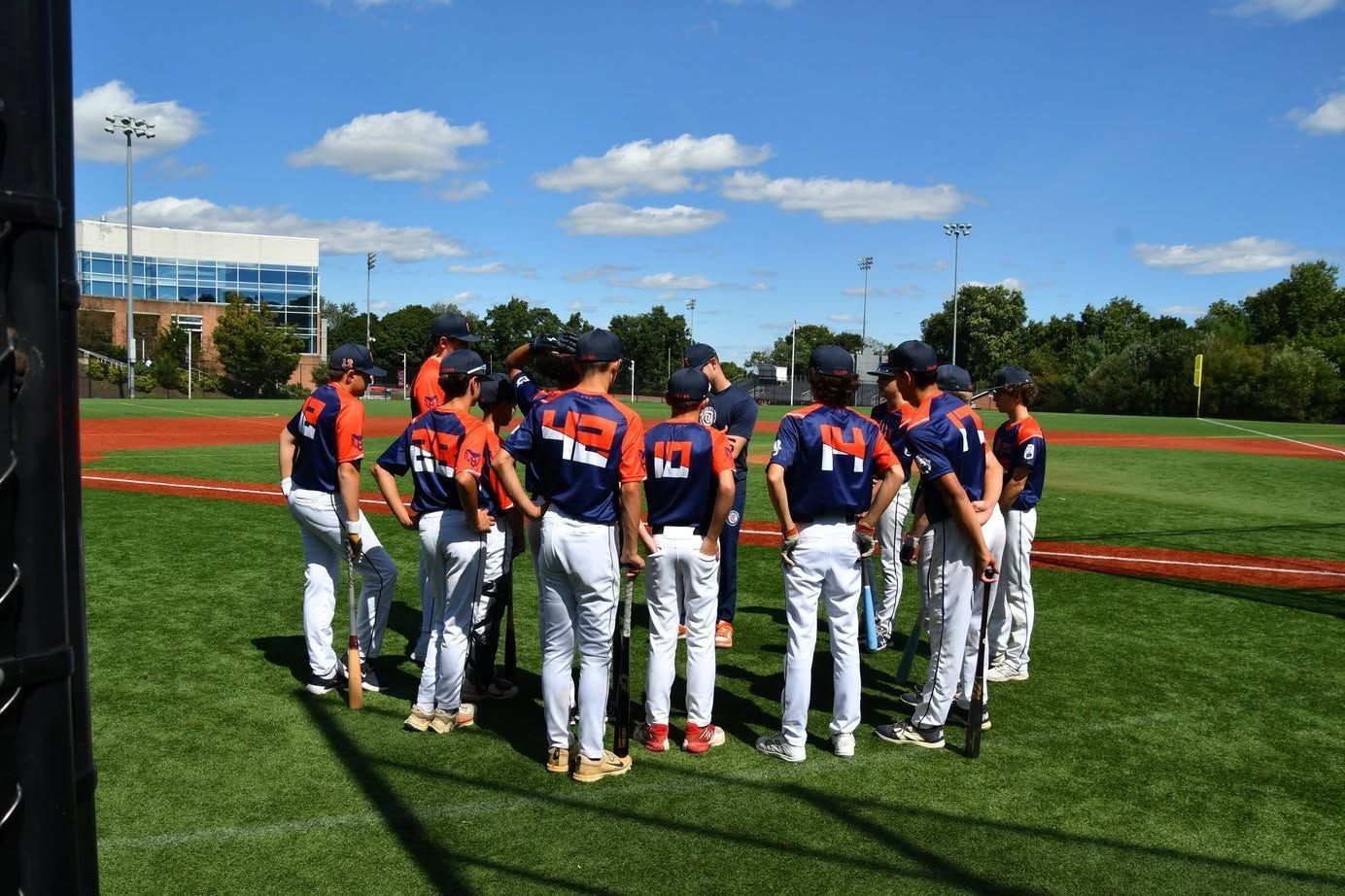
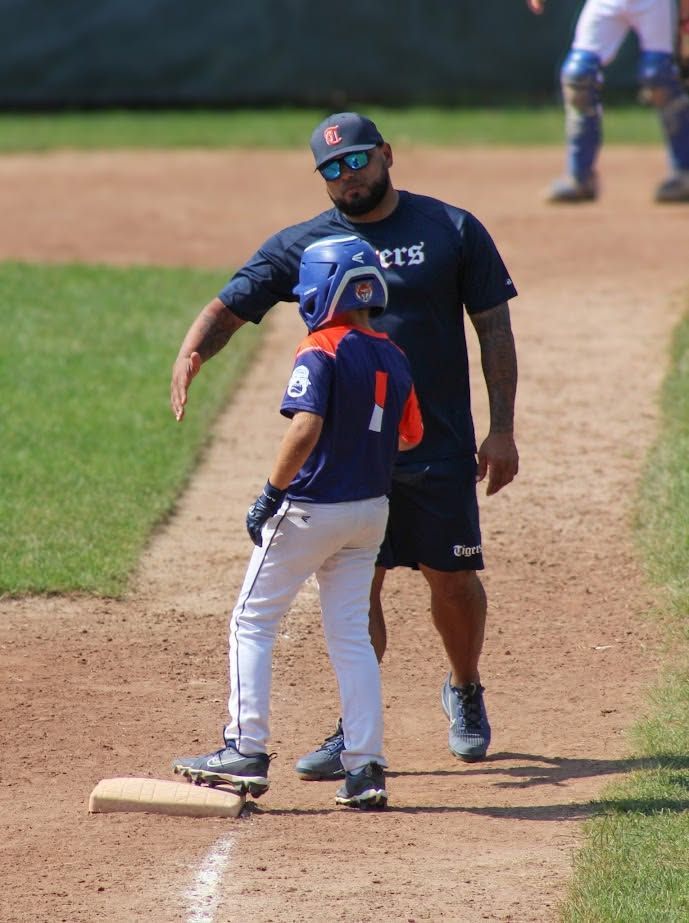
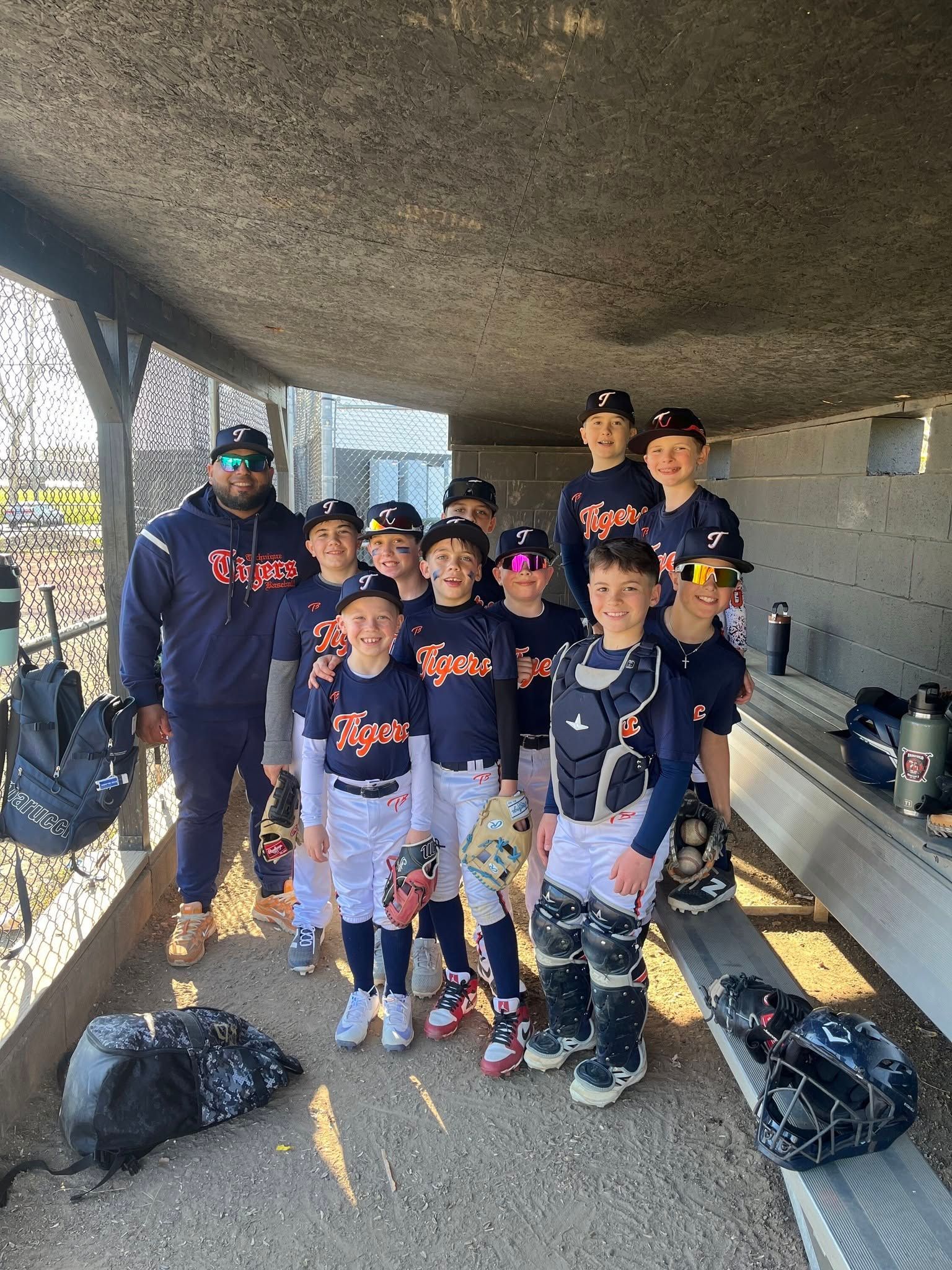
Follow Us @technique_tigers_baseball
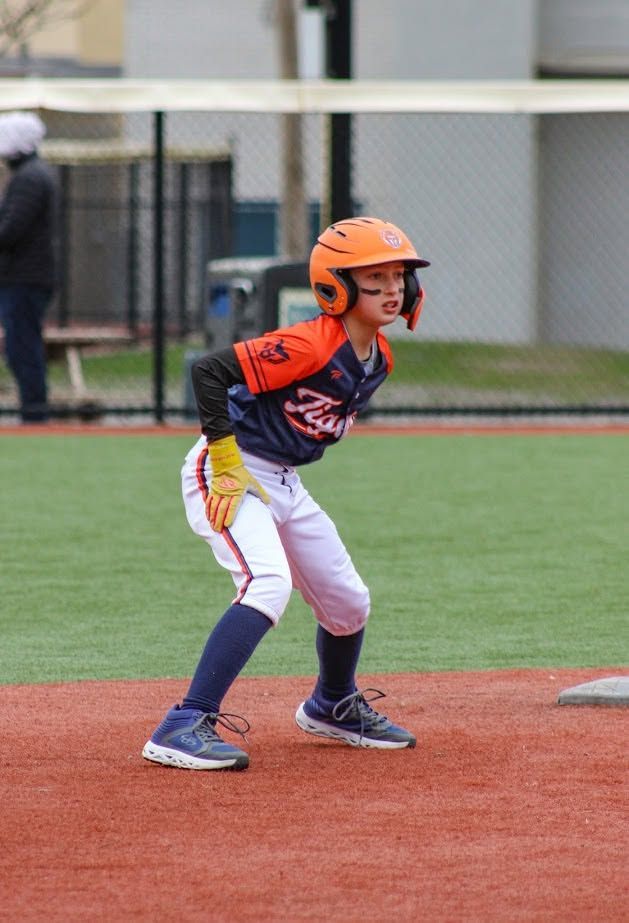
Tag us in your game day photos for a chance to be featured! #TechniqueTigersBaseball






Schedules
Clear & Consistent Basketball Schedules
We provide well-organized schedules so players and families can plan ahead with confidence. All league games and program sessions follow a structured calendar.
MM/DD/YYYY
8:00–10:00 PM
Adult Competitive Basketball Training
High-intensity adult training focused on game situations and conditioning.
MM/DD/YYYY
8:00–10:00 PM
Adult League Night
Competitive adult league games with organized matchups and professional officiating.
MM/DD/YYYY
8:00–10:00 PM
Youth Skills Development Training
Fundamental skills training focused on shooting, and defensive basics for youth players.